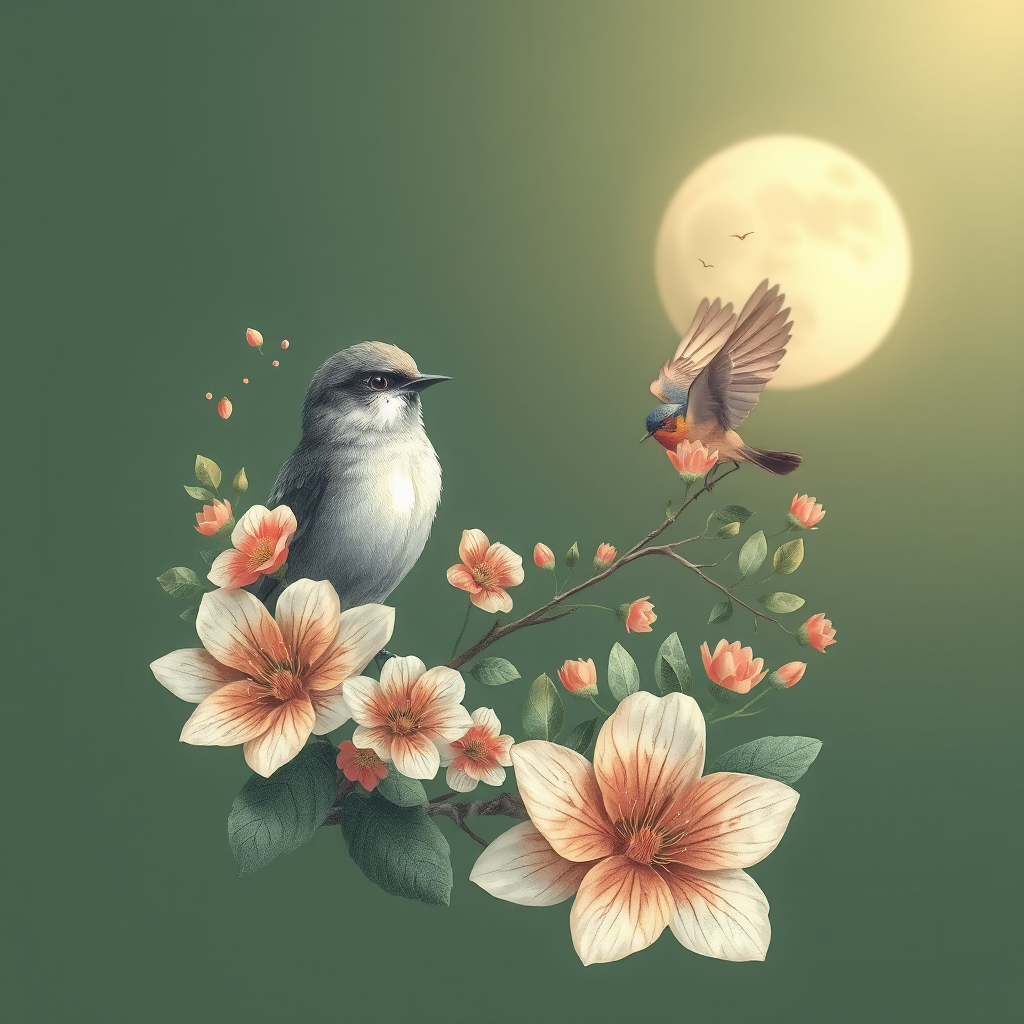
Humanity has been confronting mortality more intensely than ever during this horrible pandemic. I find some solace in the ideas of Carl Jung, one of history’s greatest intuitive thinkers.
Jung was cagey whenever he was asked if he believed in god. “I do not believe, I know.” he always said. He elaborated his views somewhat in his late life autobiography Memories, Dreams, Reflections. A few excerpts:
“Naturally, one can contend from the start that myths and dreams concerning continuity of life after death are merely compensating fantasies which are inherent in our natures—all life desires eternity. The only argument I can adduce in answer to this is the myth itself.”
“A man should be able to say he has done his best to form a conception of life after death, or to create some image of it – even if he must confess his failure. Not to have done so is a vital loss. For the question that is posed to him is the age-old heritage of humanity: an archetype, rich in secret life, which seeks seeks to add itself to our own individual life in order to make it whole. Reason sets the boundaries far too narrowly for us, and would have us accept only the known—and that too with limitations—and live in a known framework, just as if we were sure how far life actually extends. As a matter of fact, day after day we live far beyond the bounds of our consciousness; without our knowledge, the life of the unconscious is also going on within us … The more of the unconscious, and the more of myth we are capable of making conscious, the more of life we integrate.”
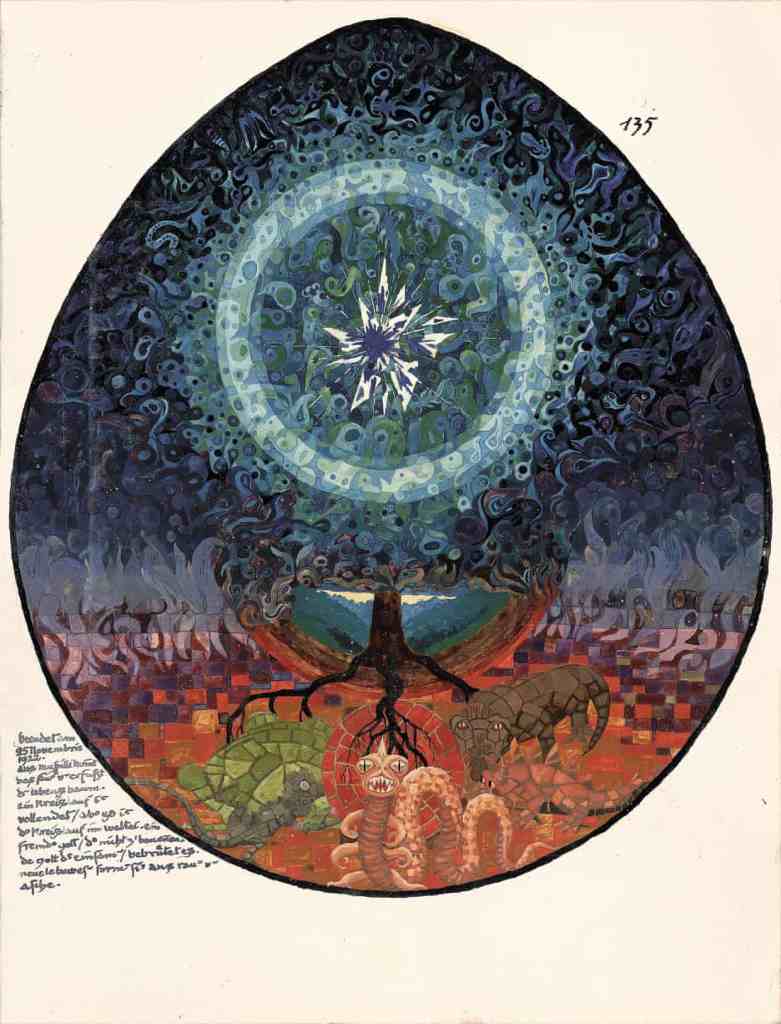
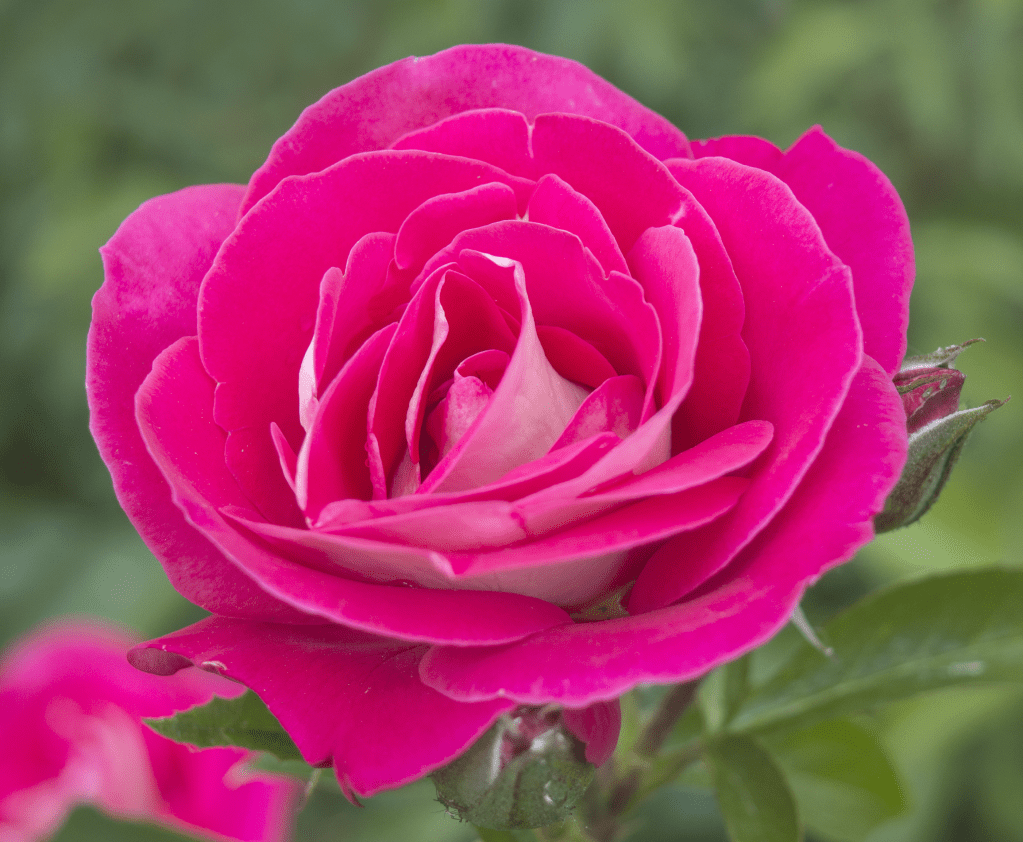
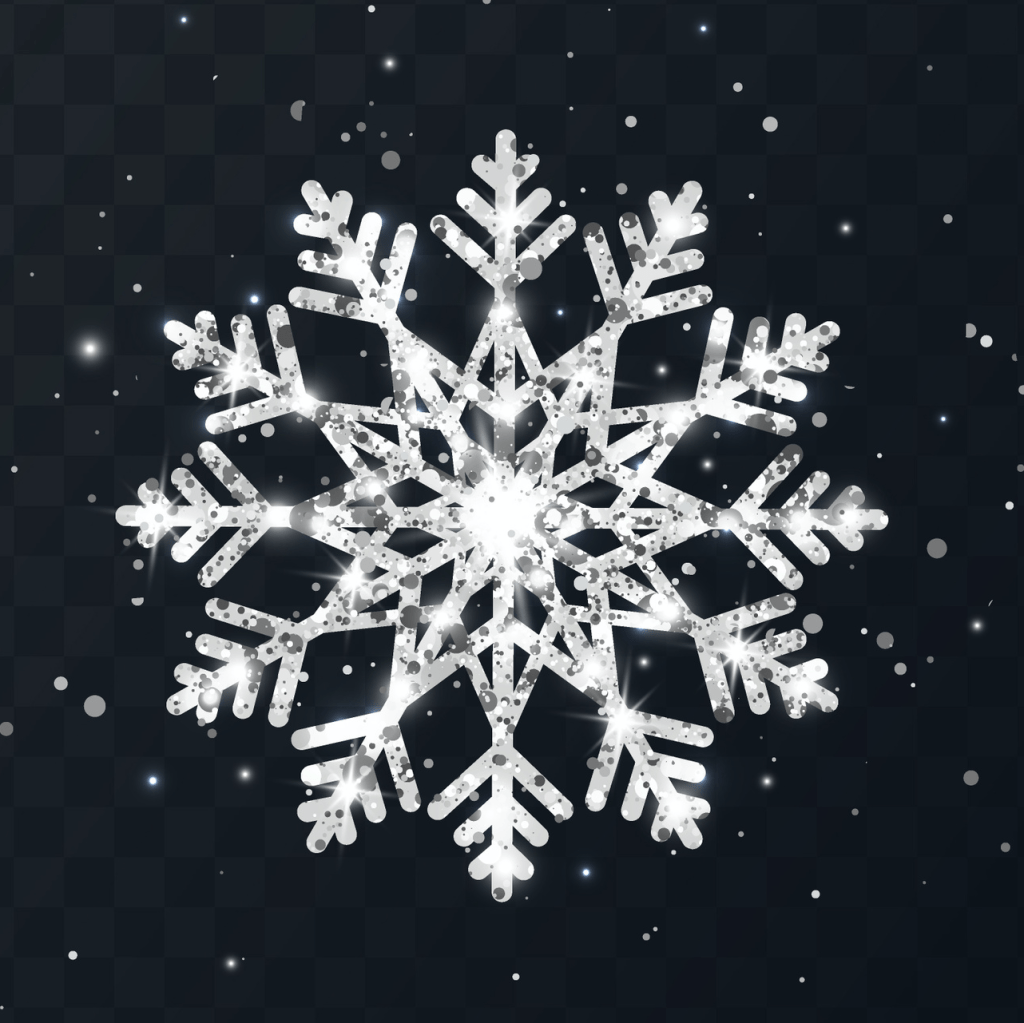
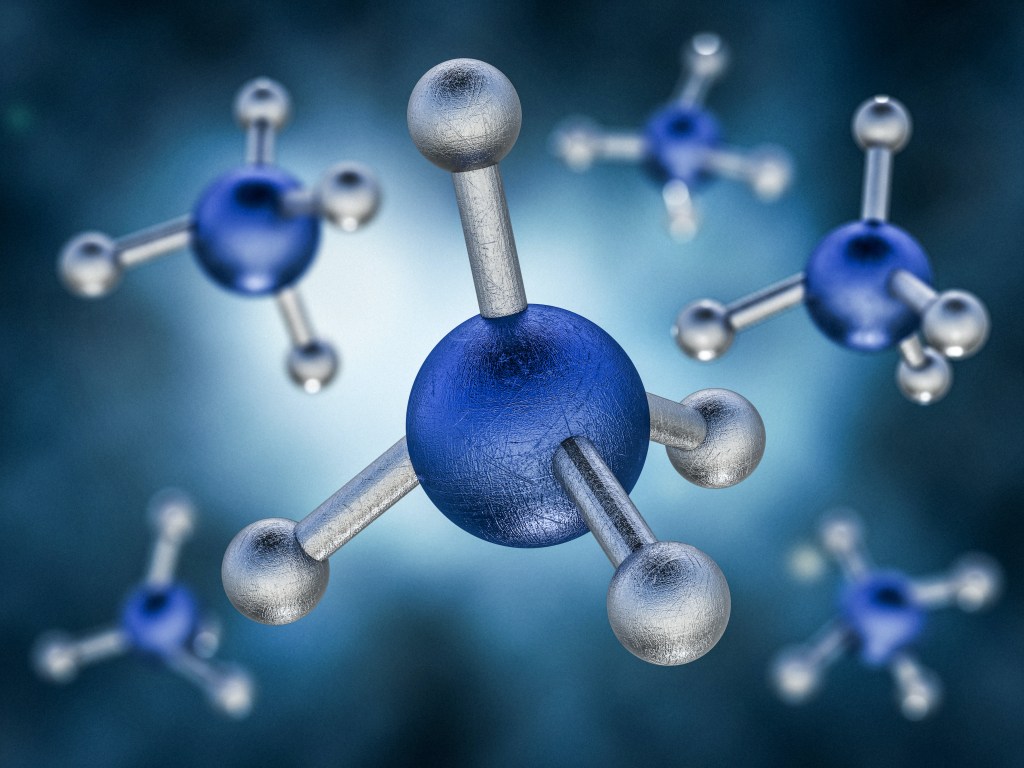
Jung was also a talented artist, and created many mandala paintings like the tree of life above. A mandala—from the Sanskrit word for circle—is an attempt to coalesce the macrocosm of the universe’s mystery into the microcosm of an artistic representation. In dreams, visions, and artistic creations of all kinds, the psyche is continually presenting us with mandala symbols, but to me the most eloquent, and deceptively simple, mandalas are found in nature. An unfolding flower, a bird’s nest, a snowflake, or the tetrahedral symmetry of the carbon atom upon which all life is based. What do you see in these images? What do you feel? What is your myth?
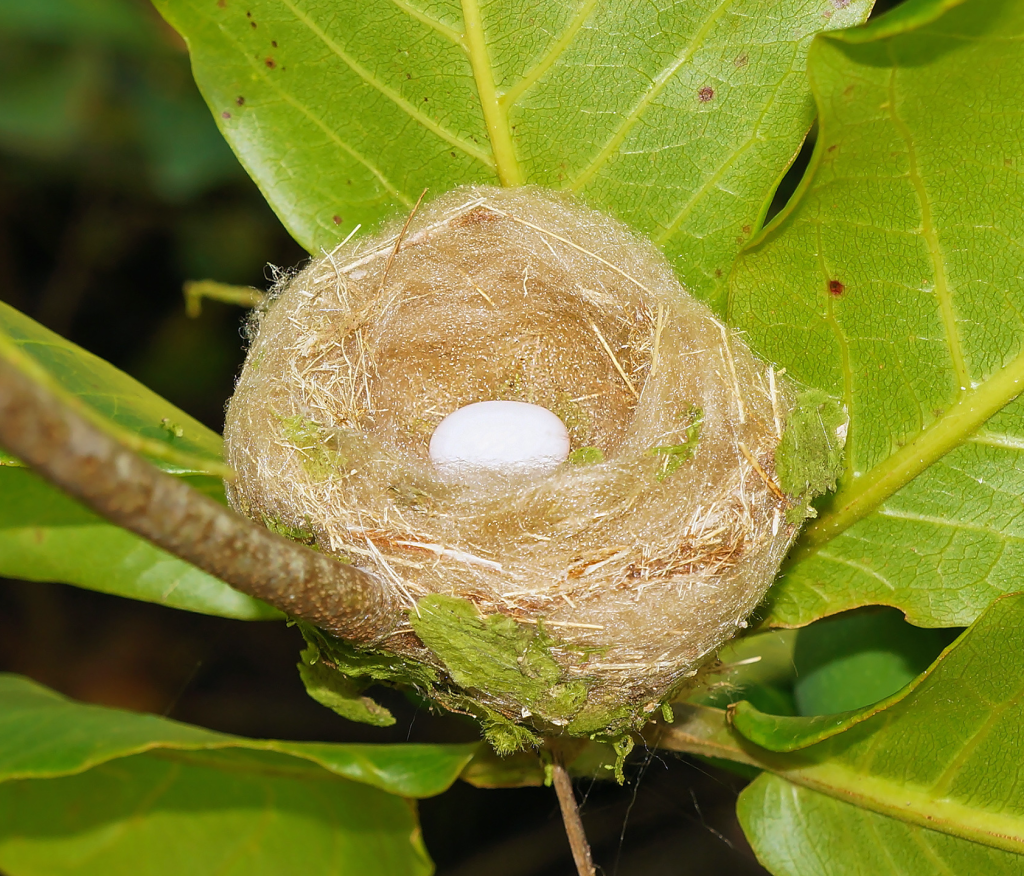
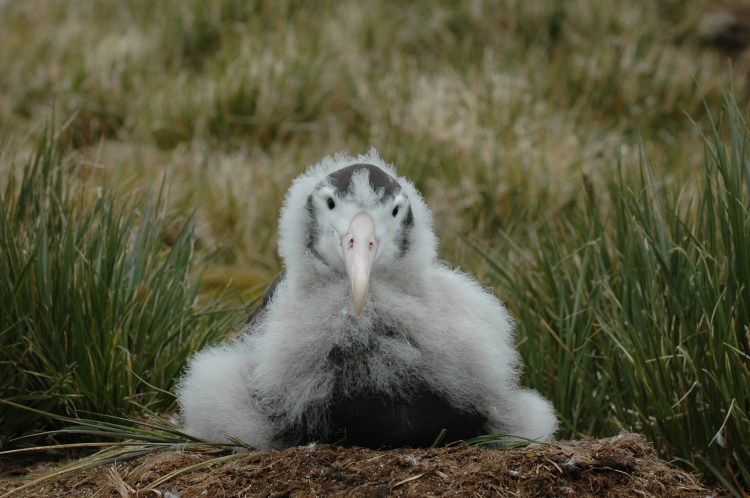
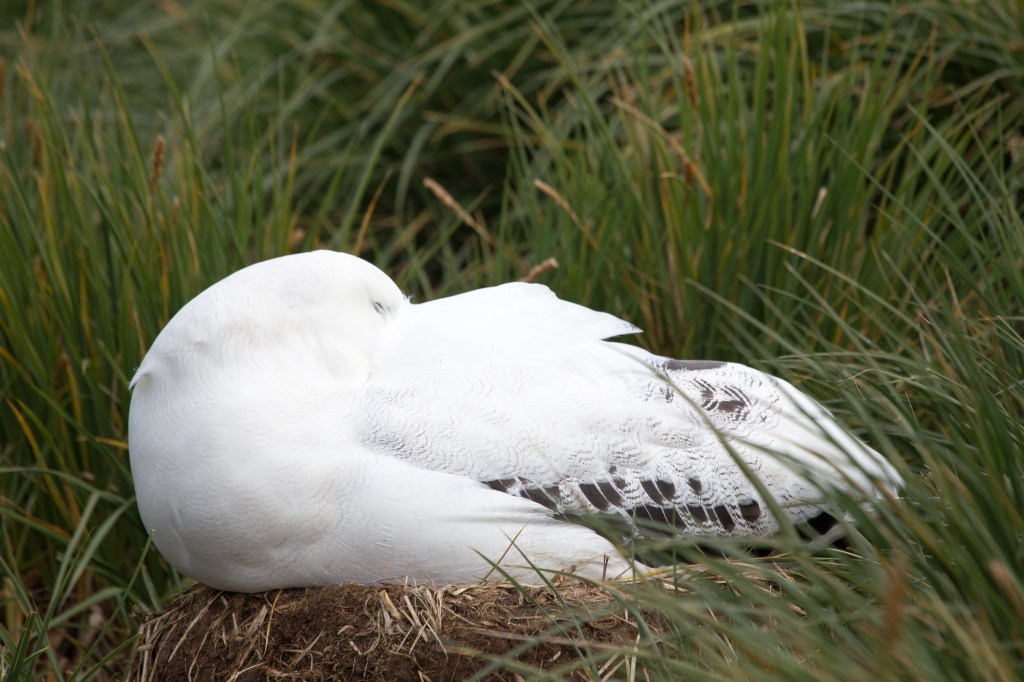
Whether a tiny hummingbird or a giant albatross, there is no more powerful symbol of futurity and hope than a bird sitting upon its nest. Producing our single egg took much energy from Ilupa—she was hungry, so I am incubating the nest while she is at sea replenishing herself. It is the least I can do. It will take nearly three months of incubation before our chick hatches in March … I feared I might suffer from terrible boredom, but in fact this restful time has given me the opportunity to ponder deep philosophical thoughts. Ilupa, Calli, and I extend our best wishes to everyone in the new year.
 Haumanu Speaks/PoetiCalli